Kitting & Shipping: How successful rollouts actually happen
When campaigns include multiple pieces, locations, deadlines, and delivery details, kitting helps everything arrive together, organized, and ready to use.
When a campaign involves more than one printed piece, things get complicated fast.
Kitting is the process of organizing multiple printed materials, signs, promo pieces, samples, instructions, and packaging into one complete shipment so each recipient or location gets exactly what they need.
Multiple items. Multiple locations. Multiple deadlines. Multiple vendors. That is where rollouts either feel smooth and controlled, or start to fall apart.
At Voom, kitting and shipping support is built around making that complexity easier for business teams. We help plan the box, print the materials inside it, assemble each kit by hand, and ship on a schedule that works for the campaign.
Great campaigns do not ship in scattered pieces. They arrive organized, complete, and ready to launch.
What is kitting, and why does it matter?
Kitting is the process of assembling multiple items into a single, organized package that ships as one complete unit. Instead of sending separate boxes, separate print orders, and separate instructions, the receiving team gets one kit with the materials they need.
A kit might include brochures, inserts, signage, instructions, branded packaging, labels, decals, samples, promotional pieces, or rollout guides.
- Keeps teams aligned
- Reduces confusion
- Supports consistency across locations
- Protects timing for campaigns
- Makes execution easier on-site
- Creates a better unboxing experience
If each location needs the same materials, kitting makes sure every box arrives with the right pieces, in the right order, at the right time.
Projects that benefit most from kitting
Kitting is especially useful when a project has multiple pieces, multiple recipients, or a timeline that depends on everything arriving together.
Quarterly store rollouts
Retailers and multi-location brands use kits for new promotions, updated signage, seasonal messaging, and brand refreshes.
Product launches
Launch kits can include sell sheets, instruction cards, counter signage, samples, labels, and supporting print pieces.
Customer activations
Trade shows, pop-ups, events, and special campaigns benefit when the unboxing experience feels intentional.
Sales team kits
Sales teams can receive packaged materials that are ready for meetings, events, field visits, or account-based outreach.
Multi-location distribution
Each location receives the materials it needs without sorting through unrelated pieces or waiting for separate shipments.
Why the box matters more than you think
The box is not just a container. It is the first thing the recipient sees, opens, and uses. A well-planned box protects the contents, guides how items are unpacked, reinforces the brand, and makes the rollout feel organized from the start.
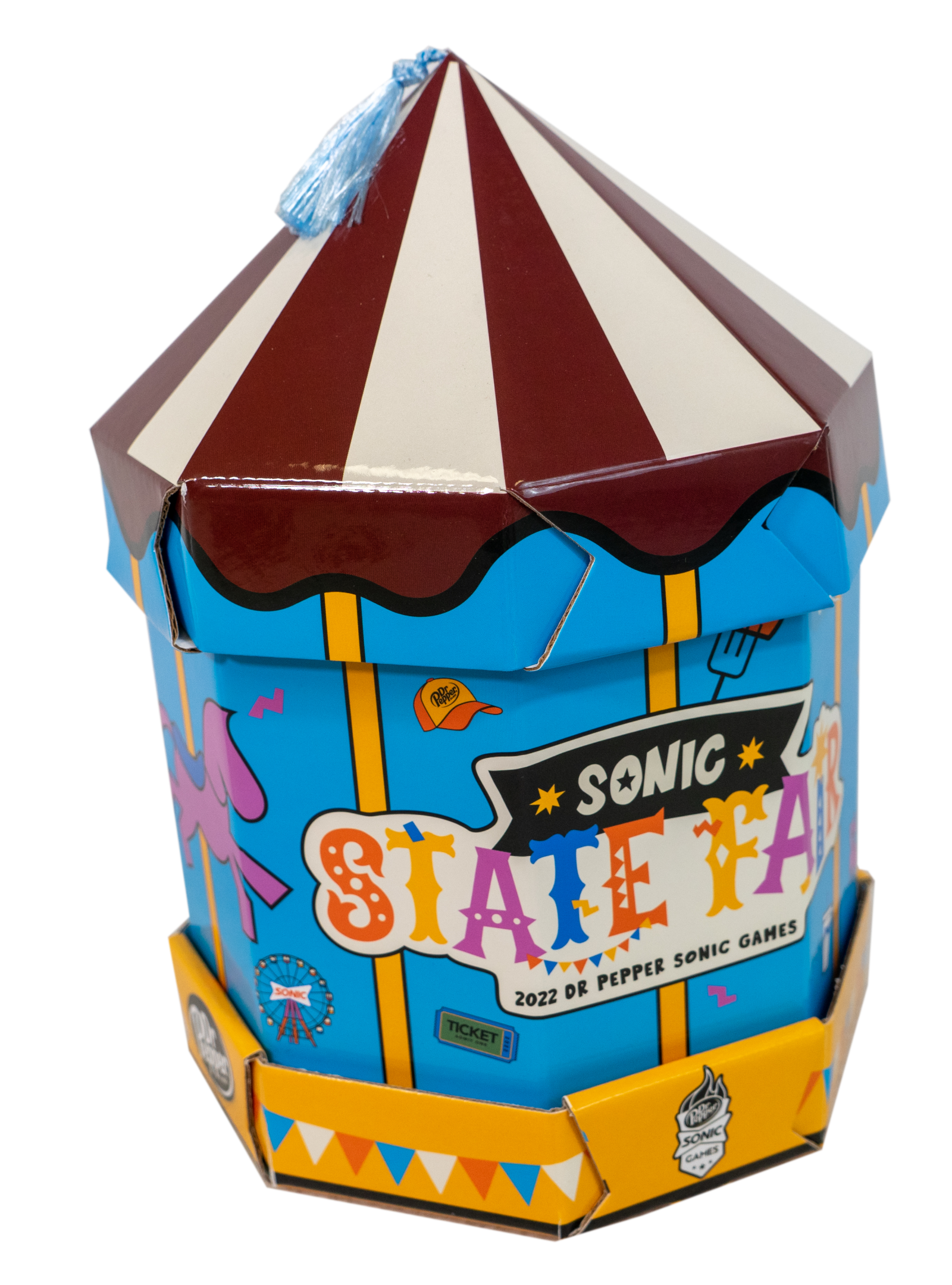
Same materials. Completely different experience. The way pieces are packed, labeled, and presented can change how easy the rollout feels for the team receiving it.
What goes into a typical rollout kit?
Every project is different, but most rollout kits include a mix of printed materials, supporting graphics, instructions, and packaging. The goal is not just to ship items. The goal is to ship a complete experience that is easy to unpack and execute.
Branded box or carton
The outer package protects the materials and sets the tone for the rollout.
Printed instructions
Rollout guides, setup sheets, packing lists, and location-specific notes help teams know what to do next.
Print pieces
Flat or folded materials can include brochures, inserts, postcards, handouts, labels, or support documents.
Signs and displays
Rigid signage, flexible graphics, counter signs, decals, and display pieces can be packed into the right kit.
Protective packaging
Padding, dividers, sleeves, labels, and internal organization help pieces arrive clean and ready to use.
Why connected production makes a difference
Kitting gets easier when the printing, finishing, packaging, assembly, quality control, and shipping schedule are connected. When everything happens under one roof, there are fewer vendors to manage and fewer handoffs where details can get lost.
If something changes mid-project, the team handling the print is close to the team assembling the kits. That makes problem-solving faster, cleaner, and more practical.
- Fewer vendors to manage
- Fewer delays between steps
- Better consistency across kits
- Faster problem-solving
- Cleaner quality control
- One team accountable for the rollout
Shipping on your schedule
Rollouts rarely happen all at once. Some campaigns need every kit to leave on the same day. Others ship in waves, by region, on specific dates, or on a recurring quarterly or monthly schedule.
Voom can help stage kits, track inventory, label shipments, and move materials when the campaign needs them to move.
- Plan the kit. Define the materials, quantities, recipients, packaging needs, and timeline.
- Print and prepare. Produce the printed pieces, signs, inserts, labels, instructions, and support materials.
- Assemble by hand. Pack each kit carefully so every recipient receives the correct, complete package.
- Ship on schedule. Send kits all at once, in waves, by region, or on the dates that support the rollout.
The big advantage: simplicity
From the customer side, kitting should feel simple. One partner. One timeline. One place to call. Behind the scenes, there are a lot of moving parts, but that is the point of having a partner handle the rollout.
Behind the scenes, kitting is complex. For your team, it should feel organized.
Is kitting right for your project?
You will likely benefit from kitting if timing, consistency, or the receiving experience matters.
- You are shipping to multiple locations
- Your campaign includes more than one item
- Timing and consistency matter
- You want a better unboxing experience
- Teams need clear instructions
- Materials need to arrive ready to deploy
Kitting and shipping FAQ
What is kitting?
Kitting is the process of assembling multiple items into one organized package so the recipient receives a complete set of materials together.
What kinds of projects use kitting?
Kitting is useful for store rollouts, product launches, customer activations, sales kits, event materials, onboarding packets, and multi-location campaigns.
Can Voom print and assemble the kit?
Yes. Voom can print the materials, prepare signs or inserts, assemble the kits, manage quality checks, and support shipping.
Can kits ship to multiple locations?
Yes. Kits can ship to multiple locations, departments, regions, stores, sales teams, event sites, or customer addresses.
Can kits ship on a schedule?
Yes. Voom can support shipments all at once, in waves, by region, on specific dates, or on recurring campaign schedules.
Planning a rollout, launch, or activation?
Voom can help bring the pieces together, from print production and packaging to hand assembly, scheduling, shipping, and fulfillment support.
If your campaign needs to arrive complete, organized, and on time, talk to a Voomie before the rollout starts moving.